
Air Coolers for Process Cooling
Air cooling for refinery, chemical, metallurgy and power applications.
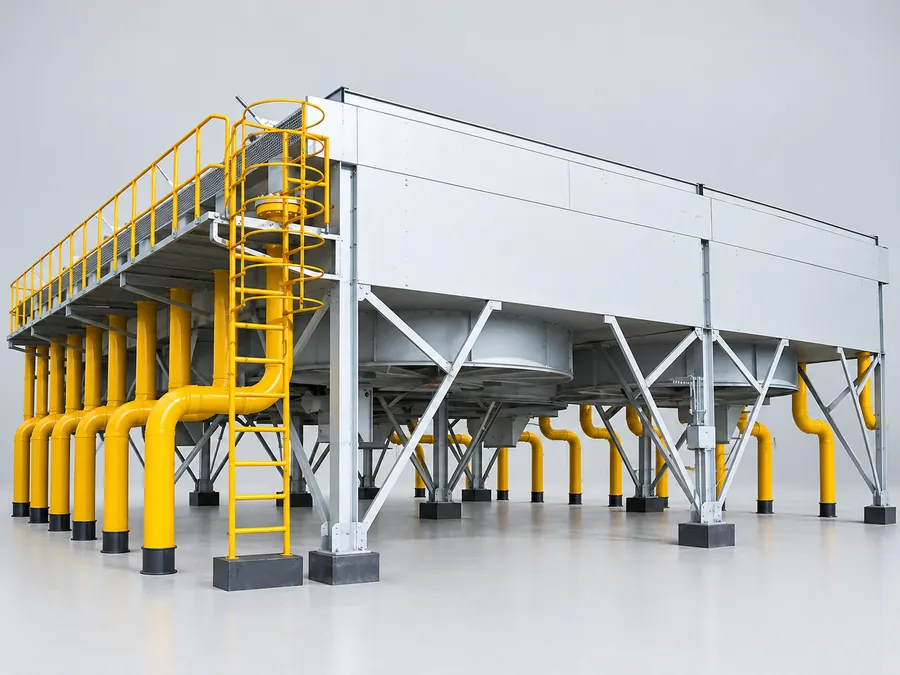 Illustrative
Air Coolers
Air cooled heat exchangers (air coolers) use ambient air to cool process fluids. They reduce water use and cooling water treatment, and are available as dry, wet or wet-dry combination designs.
Air cooled heat exchanger principle
A simplified view of a forced draft air cooler.
01
Hot fluid enters
Process fluid flows from the inlet header into the finned tubes.
02
Air sweeps the fins
Fans below the bundle blow ambient air across the finned tubes.
03
Heat moves to the air
The fins increase the surface area, so heat transfers from the tubes to the air without using cooling water.
04
Cooled fluid leaves
The cooled fluid collects in the outlet header and returns to the process.
Why it matters
Low water use
Dry operation reduces water consumption.
Variety of fins
L, LL, KLM, double metal and embedded fin tubes.
Flexible layouts
Forced draft, induced draft, inclined roof.
Process duty
For refining, chemical, metallurgy and power.
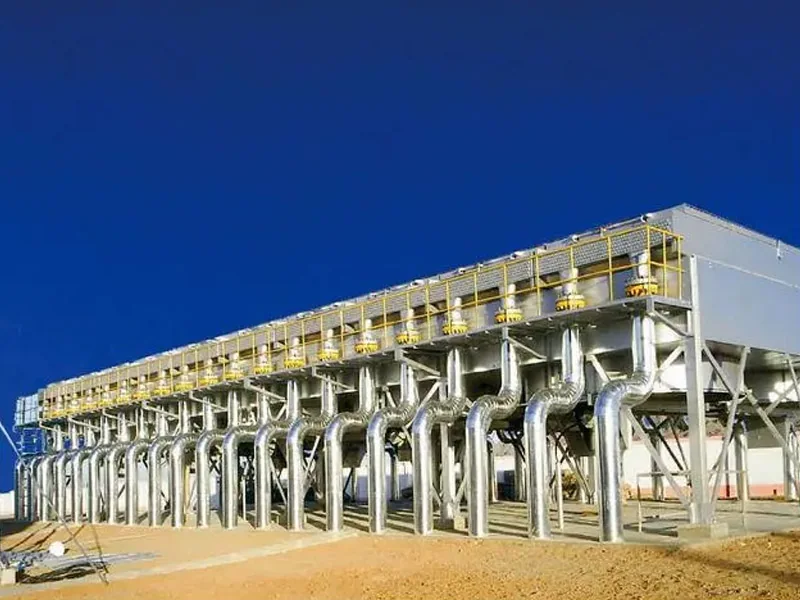
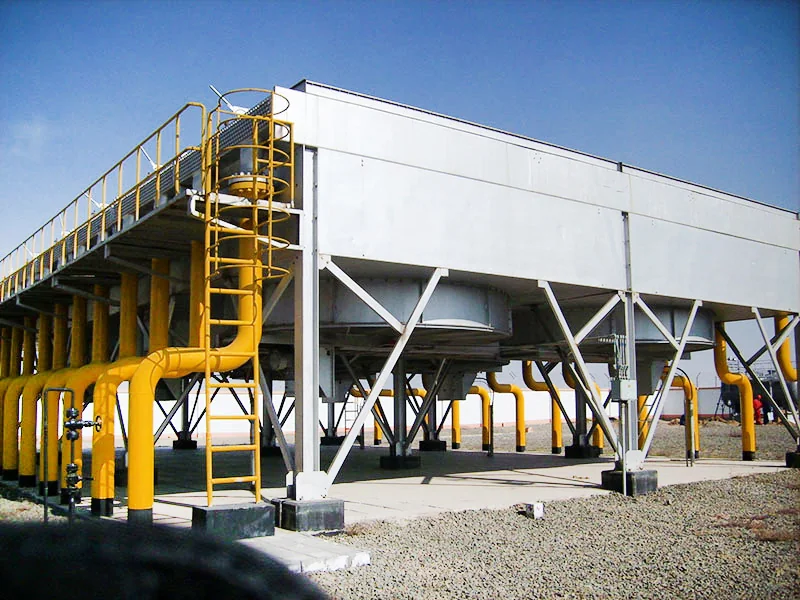
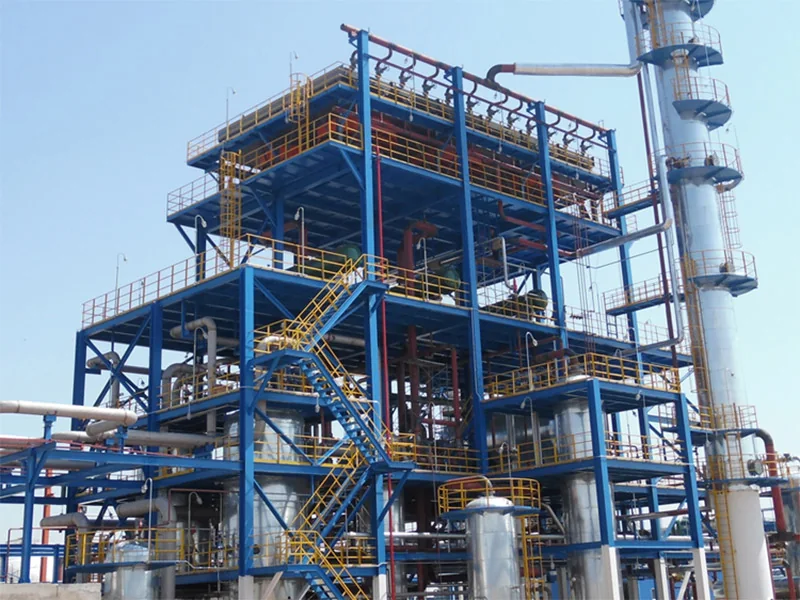
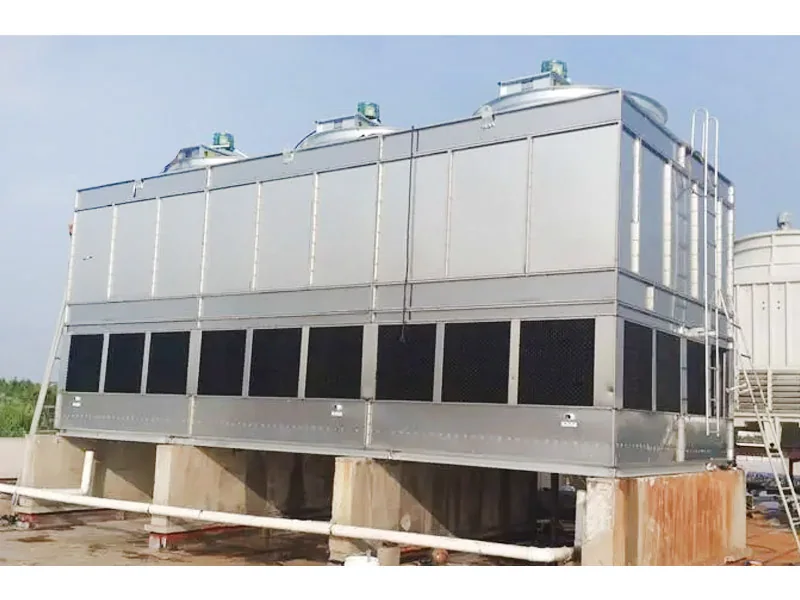
Photos from our production and projects
Configurations
Forced and induced draft
Horizontal air coolers with fans below or above the tube bundle.
Humidified / wet
Spray evaporative enhancement for hot climates.
Wet-dry combination
Combines dry and wet operation to save water.
Inclined roof (A-frame)
Smaller footprint for condensing duty.
Selection data
Air cooler data sheets are prepared per project. Send your process fluid, temperatures, design pressure and ambient conditions.
Need a recommended model?
Send your design conditions and an engineer will reply with a selection and quotation.